Industrial boilers are subject to extreme pressures and temperatures. Over time, scale, corrosion, and general wear can compromise performance and safety.
Under UK law, Annual Insurance and 5-Yearly Non-Destructive Testing (NDT) inspections are mandatory for industrial steam and high-pressure hot-water boilers. These inspections safeguard both performance and safety, confirming that the plant is fit for continued operation.
Our engineering team was called upon to prepare Essity’s boiler plant for this vital NDT inspection, and we documented the entire process.
the INSURANCE INSPECTION PROCESS
Before an insurance inspection can take place, the boiler must be stripped, serviced, and made fully accessible, a complex process demanding both technical skill and precision planning.
1. PREPARATION & STRIPDOWN
Before beginning the inspection preparation, our engineers sign in to register their presence and add padlocks to the lockbox to ensure boiler isolations contained within cannot be removed until the work is completed. The boiler is then drained, cooled, depressurised, and ventilated, before being tested for safe entry, so that our engineers can enter the boiler shell.
We then begin dismantling key components, safety valves, access doors, gauges, and fittings, to expose the inner surfaces of the boiler:
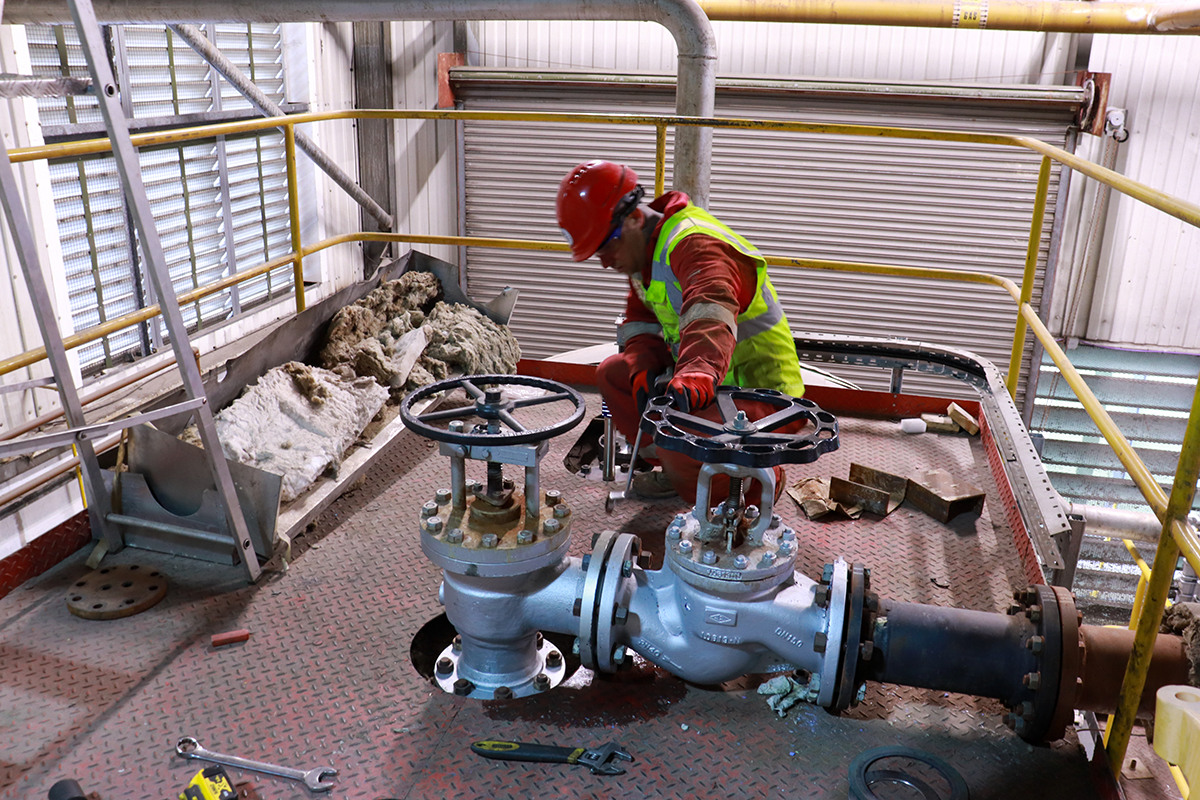
All boiler valves are removed, including crown, line, blowdown, TDS, feed and sight glass arrangement.
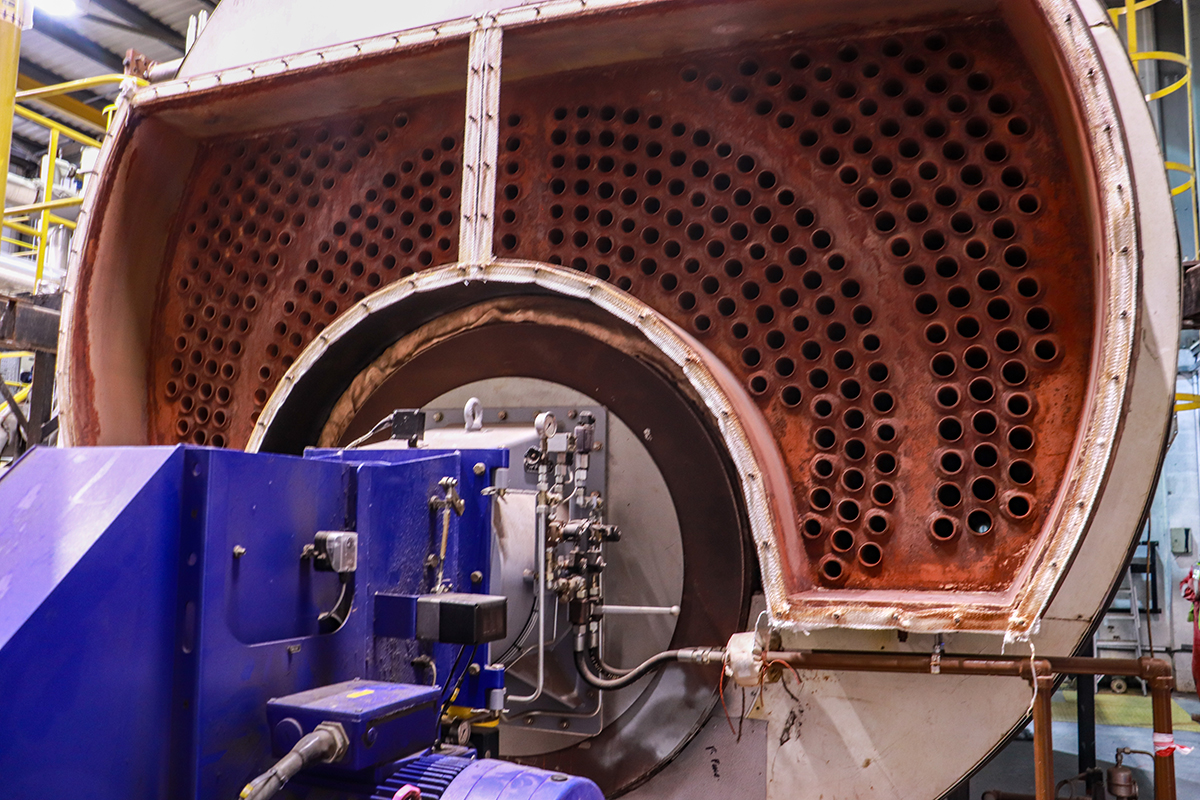
The front and rear smokebox doors are unbolted to allow access to the smoke tubes and tubeplates.
External cladding panels and insulation are removed from various areas of the boiler.
The mudlids and manlids are removed to allow access to the waterside.
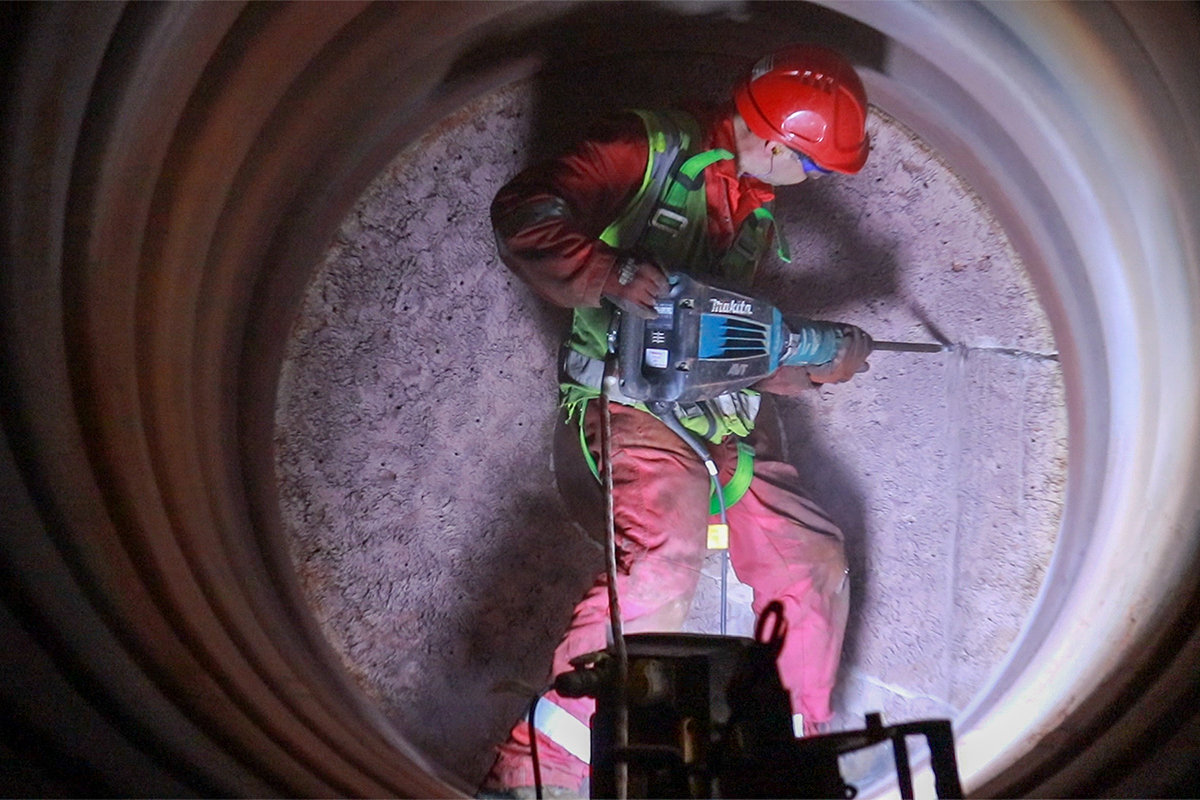
A confined-space qualified engineer then enters the boiler furnace via the rear access manway to remove the refractory if required. The refractory is removed primarily to provide access for inspection or repairs, and replaced to restore the thermal protection and integrity of the furnace. It is generally not removed solely because an insurance inspection is taking place; the extent of removal depends on the boiler design, the inspector’s requirements, and the condition of the refractory.
2. CLEANING, DESCALING & SERVICING
Fireside cleaning removes soot, ash, clinker, and other combustion deposits from the boiler’s heating surfaces. Depending on the extent of the build-up, deposits are removed using industrial vacuum systems, brushing, scraping, compressed air, or, for heavier fouling, high-pressure water jetting or mechanical tube cleaning. This restores heat transfer efficiency and provides clean surfaces for inspection.
Waterside descaling removes scale deposits from the boiler’s internal surfaces. Light or loose scale is removed mechanically using high-pressure water washing, scraping, brushing, or shovelling. Where heavy or hardened scale is present, a chemical descaling process is carried out using specialist equipment and cleaning agents, followed by a thorough system flush to remove dissolved and loosened deposits.
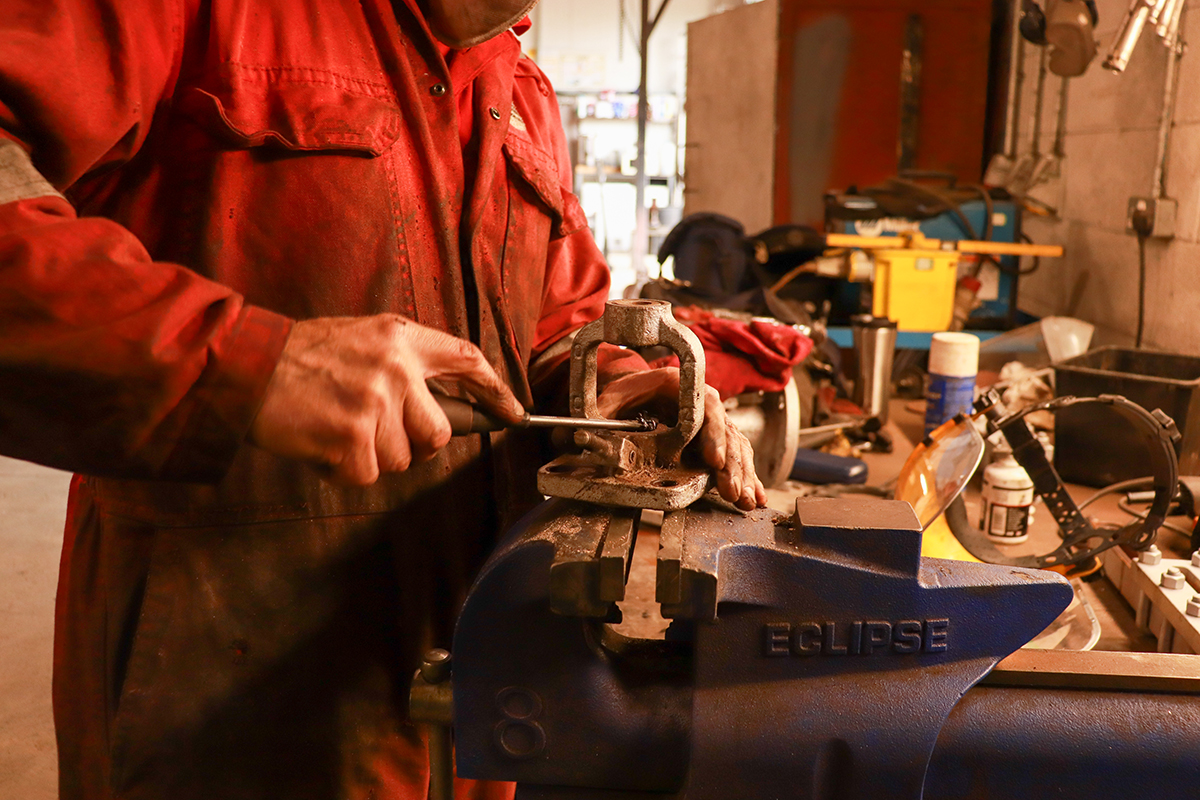
Safety valves are removed and returned to our workshop for overhaul. Each valve is stripped, cleaned, and fitted with new gaskets before being reassembled, pressure tested, and certified to ensure safe operation and compliance with applicable regulations prior to reinstallation.
3. REASSEMBLY, FINAL TESTING & HANDOVER
Following cleaning and any necessary repairs:
All inspection openings, including manways, handholes, mudhole doors, and inspection covers, are cleaned and prepared for reassembly.
Burner assemblies, access doors, covers and casing panels are refitted, ensuring all seals and insulation are correctly reinstated.
Refractory removed for inspection or repairs is reinstated and allowed to cure, where applicable.
Safety valves, gauge glasses, pressure gauges, water level controls, and other fittings are reinstalled.
The boiler is then filled with treated water and vented to remove trapped air. The system is then fully tested for leaks, distortion or other signs of failure. This includes performing a hydrostatic pressure test, verification of pressure gauges and instrumentation, and testing of blowdown and feed valves to confirm correct operation.
The boiler is left in the condition requested by the insurance inspector, which can be either drained and opened for internal examination or filled and prepared for operational testing. Safe access, including platforms, ladders, lighting and ventilation, is provided for the inspector, along with maintenance records, repair documentation and certifications.