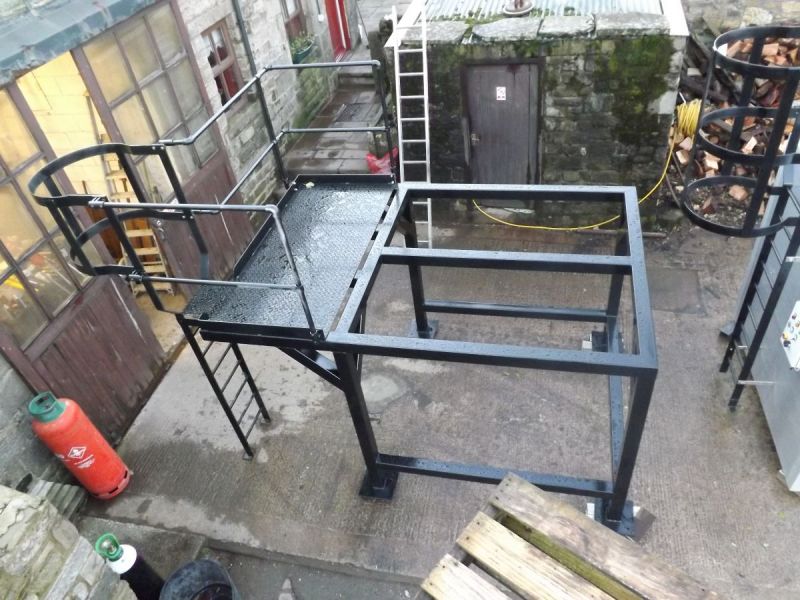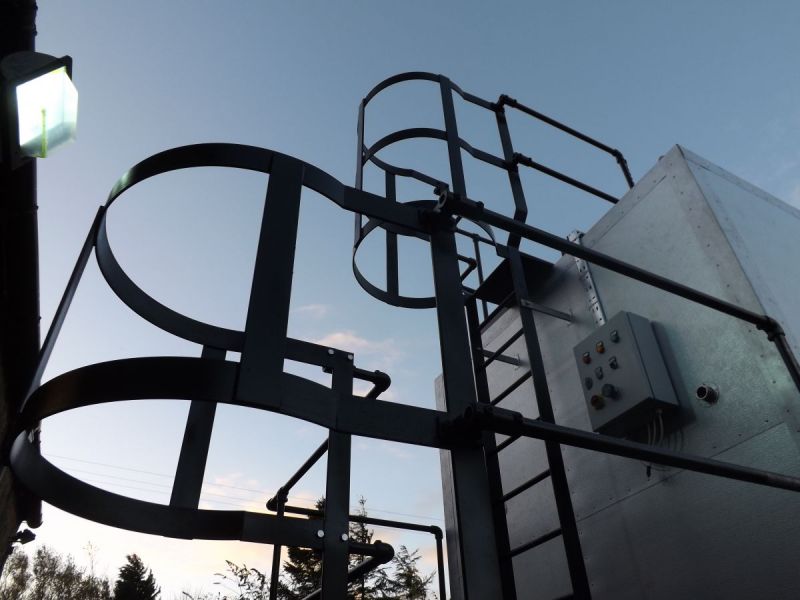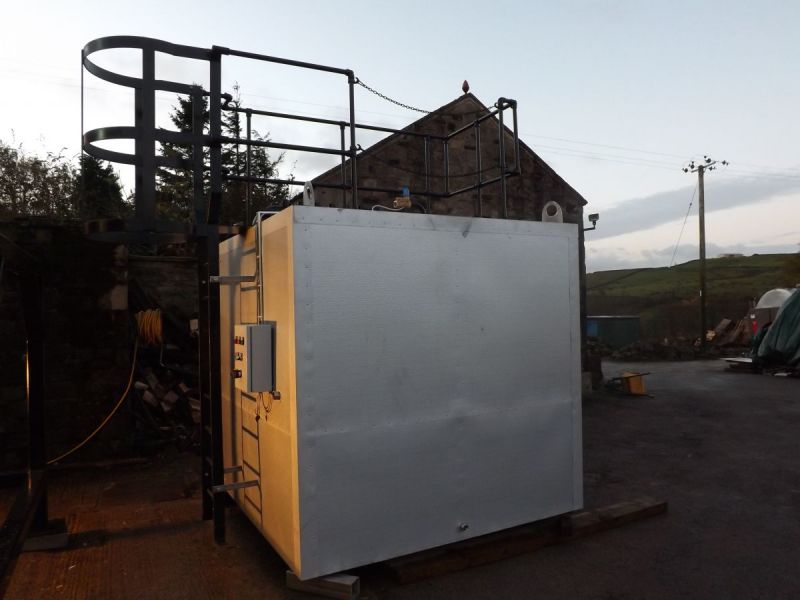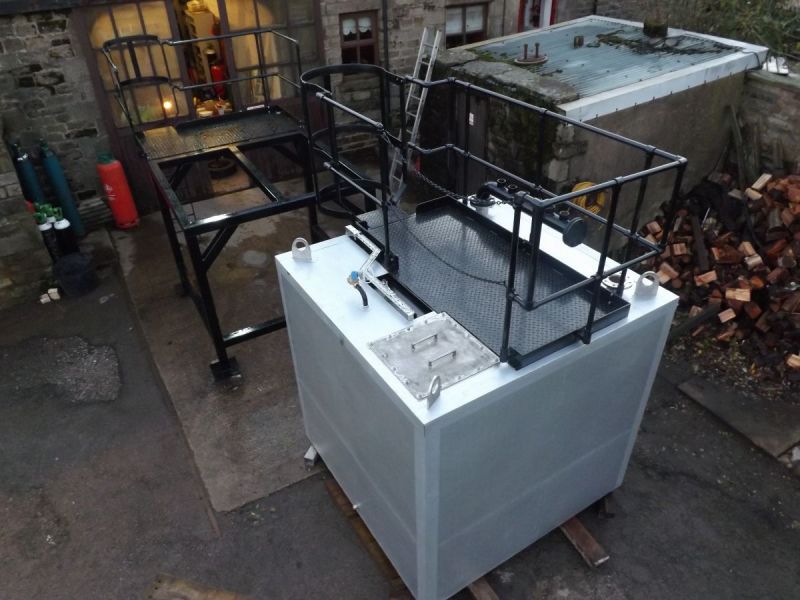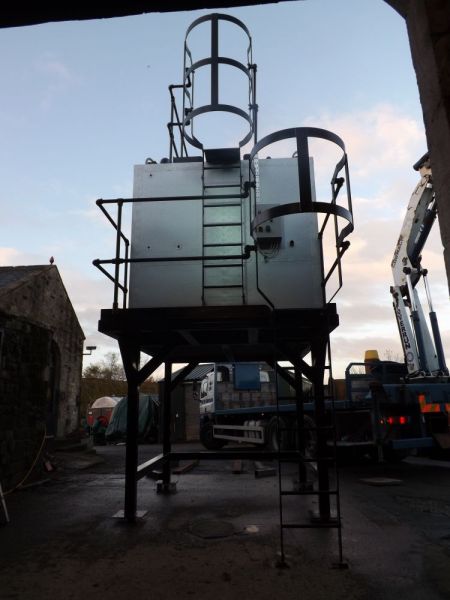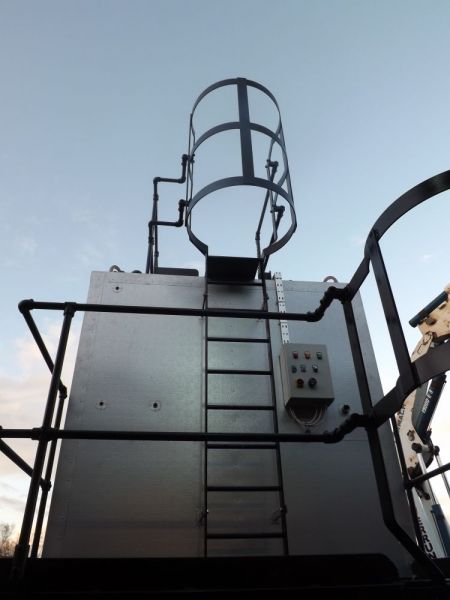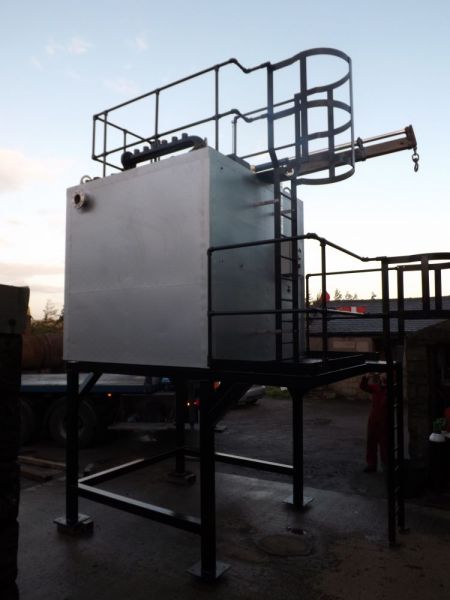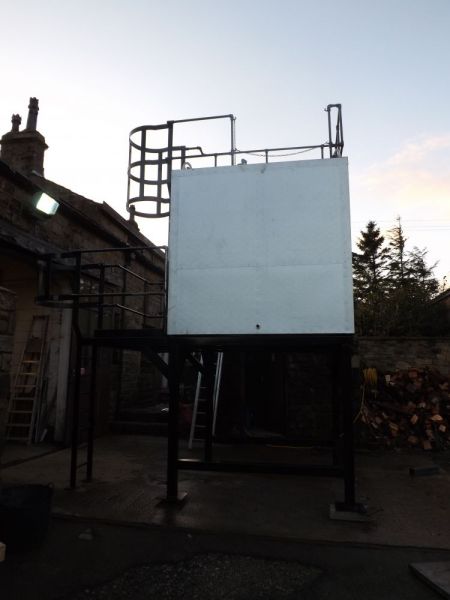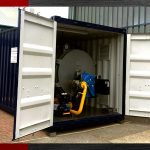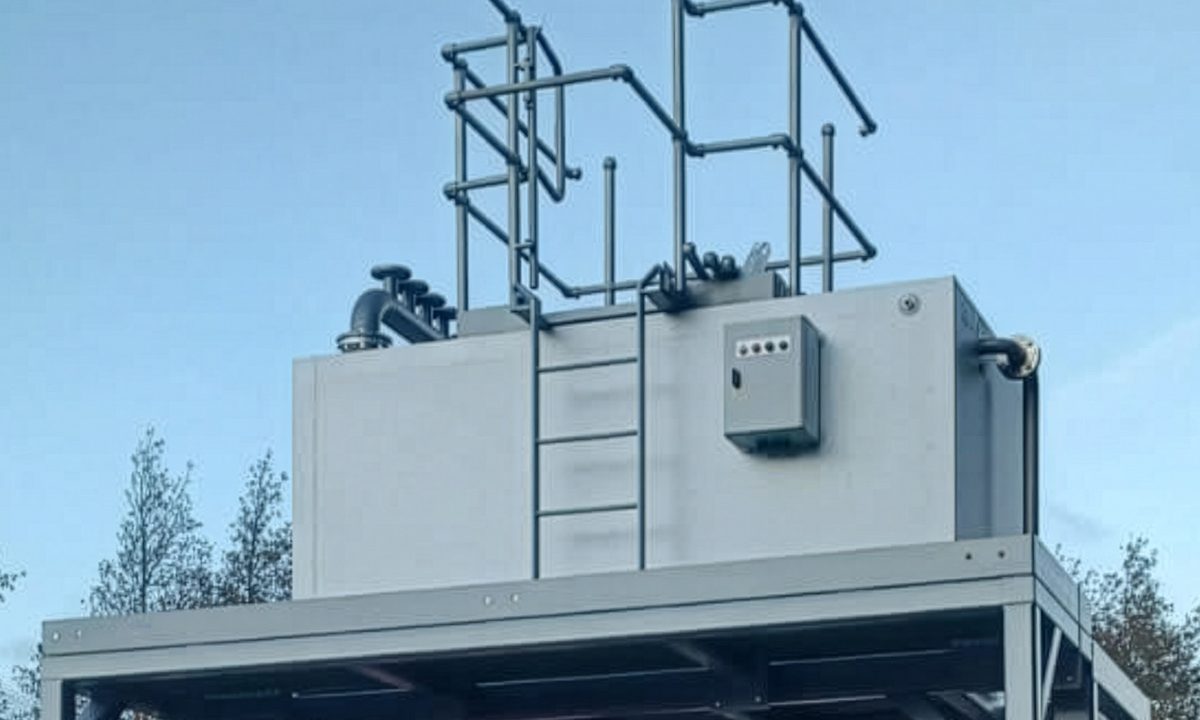
In recent years, we’ve seen a notable increase in the number of hotwell tanks leaving our Farling Top works. This growth reflects rising demand from operators who are prioritising efficiency improvements across their steam systems. Our newly engineered designs bring together robust structural efficiency with the latest monitoring and control technologies, ensuring long-term performance gains that translate directly into reduced operating costs.
Every tank is engineered with lifecycle value in mind. Considerations such as future access, inspection points, and maintainability are factored in at the design stage to avoid unnecessary downtime and minimise whole-life costs. The result is a hotwell that not only performs efficiently under load but also remains practical and serviceable for years of operation.
Leveraging Process Knowledge to Reduce Fuel Costs
Our long-standing expertise in feedwater tank design, fabrication, and installation allows us to optimise every stage of the process. By addressing fundamental but often overlooked factors, we help clients reduce fuel expenditure and improve the reliability of their steam systems.
Feedwater Temperature Management
Correct feedwater preheating is critical to overall boiler efficiency. By ensuring that incoming feedwater is delivered at the optimal temperature, thermal shock to the boiler shell and tubes is minimised, extending asset lifespan and reducing the risk of stress fractures. At the same time, maintaining the right feedwater temperature reduces the need for excess fuel input to achieve steam-raising conditions. In practice, this means boilers come online faster, operate more efficiently under load, and consume less energy over their service life.
Condensate Distribution Control
The way condensate is returned and distributed within the hotwell has a direct impact on thermal efficiency. Poor distribution can result in stratification, with colder water mixing unevenly and leading to temperature fluctuations that increase energy demand. Our designs incorporate engineered condensate distribution arrangements that promote thorough mixing and stable operating conditions. This not only maximises the recovery of valuable heat but also contributes to effective deaeration, reducing the dissolved oxygen content and lowering the risk of corrosion across the boiler and associated pipework.
Integrated Efficiency Measures
Beyond the fundamentals of temperature control and condensate return, our hotwell tanks incorporate a range of measures designed to eliminate hidden inefficiencies. Precision level controls, available in both manual and automated formats, ensure optimal water levels are maintained, protecting feed pumps and safeguarding against carryover into the boiler. Automated controls can also be integrated into wider plant management systems and BMS, enabling real-time monitoring and performance optimisation. These measures ensure that every aspect of the feedwater cycle is contributing to reduced fuel use, lower operating costs, and extended equipment longevity.
At a time of escalating fuel prices, getting these details right can mean significant reductions in operating expenditure across a facility’s steam and condensate cycle.
Hotwell Tank Options
Our hotwell tanks can be specified to suit a wide range of operating environments, with flexibility built in at every stage:
- Fabricated in Stainless Steel or Carbon Steel for durability and suitability to process conditions.
- Lagged and Cladded to reduce thermal losses and safeguard efficiency.
- Designed to meet exact client requirements, including sizing, flow capacity, and system integration.
- Condensate distribution arrangements engineered for optimum mixing and deaeration.
- Level control systems, either manual or automated, with integration to existing BMS.
- Flanged or screwed connections, configured to match plant standards and simplify installation.